

 Michael A. McDowell
President Emeritus, Misericordia University
Managing Director, Calvin K. Kazanjian Economics Foundation
The key to a stable energy picture is not to limit supply by placing artificial constraints on production, like the fracking ban New York just adopted.
Two recent events have cast some doubt about the seemingly bright future of fracking. The first has to do with a few politically-driven efforts to eliminate hydraulic fracking. The second is related to the recent plunge in energy prices.
First, in Denton, Texas – a state which owes much of its economic success to petroleum – citizens voted to ban hydraulic fracking and horizontal drilling all together. This was followed quite recently by the states of Vermont and New York banning fracking.
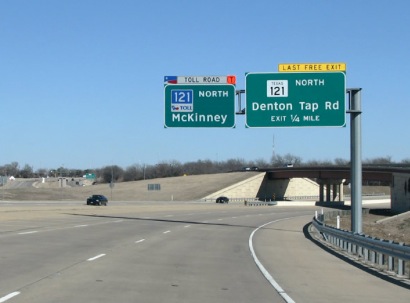
Property owners in Denton, those with even relatively small plots of land on top of the rich Barnett Shale, are hardly taking the ban lightly. For many, it was a major if not sole source of income. For rural New Yorkers, many of whom have lived on family farms for generations, and have little to show of it other than the falling prices of farmland, the hope of realizing a much better quality of life with income from land leases has vanished with a stroke of the Governor’s pen.
The heated discussion about fracking continues in Denton, New York and elsewhere even as energy prices have dropped by more than 40 percent since summer. These price declines make it far less desirable for producers to undertake relatively expensive horizontal drilling and fracking procedures.
Falling prices are being driven by recent increases in oil and gas supplies. Throughout the latter part of the 20th century, the 12-member Organization of Petroleum Exporting Countries (OPEC) controlled oil and gas output and, therefore, also prices. Americans found themselves at the mercy of the OPEC cartel. Today the combination of gas and oil discoveries in the U.S. and Canada, coupled with weak economic growth in many corners of the world, have driven prices down substantially.
Of course, there are winners and losers within these price declines. Chief among the winners are American consumers, who now have more to spend on other goods and services. This in turn stimulates consumer spending and has helped our nation’s recovery from the Great Recession.
And, yes, the oil companies and exploration firms are the losers, as many had based their investment decisions on higher gas and oil prices and will now cut back on exploration and employees. There are other losers, as well. Some of the biggest are Russia, Iran and even ISIS, which have financed much of their expansionist actions on oil sales and taxes. Americans do not want to be beholden to these countries and rogue states.
When polled, our fellow countrymen and women seem to understand the importance of a plentiful energy supply. There are many examples of Americans’ desire to have adequate supplies of petroleum. The most recent is exhibited in a USA Today poll that found 60 percent of Americans favor construction of the Keystone XL pipeline, compared to 25 percent being against it. The remainder either didn’t know or refused to answer.
 Vagaries in the marketplace are inevitable. Today, we enjoy relatively cheap energy because of North America’s new and robust ability to produce gas and oil. As a result, we have seen positive results in job growth. In the longer run, oil and gas supplies will remain a scarce commodity. In a volatile world, our energy supply picture can change almost overnight and impact our country’s economic picture violently. Those who seek to ban or restrict fracking are hard pressed to come up with realistic alternatives that meet our energy needs, and that are technically and economically feasible.
The key to a stable energy picture is not to limit supply by placing artificial constraints on production, like the fracking ban in Denton, New York State and Vermont. Rather, communities and states should focus on policies that assure horizontal drilling and fracking is undertaken by reputable firms with adequate oversight by well-balanced regulatory authorities. If local and state-wide ordinances to ban fracking are adopted widely, they can permanently interrupt the positive energy picture we currently enjoy – and once again make us beholden to countries and rouge movements who would do us harm.
Michael A. MacDowell is president emeritus of Misericordia University, where he occasionally taught economics, and is the managing director of the Calvin K. Kazanjian Economics Foundation. He lives in Estero, FL.
Check out what else is new at NaturalGasNow today!

While you’re at it, follow us on Facebook, Twitter and Linked-In!

Pingback: Will Shortsighted Policies Derail Fracking? | ShaleNOW
Thank you for your informative post Michael. Unfortunately, our politically motivated and highly partisan governor is only concerned with pleasing his political base of so called “New York City Environmentalists,” an oxymoron if there ever was one. The ironic part of his fabricated, misguided political gaffes is his nonsensical railing against hydrofracted natural gas. I guess he just chooses to ignore the fact that more hydrofracted natural gas is being piped into New York City and Albany every day than any other location in the county. When is he going to ban that??